
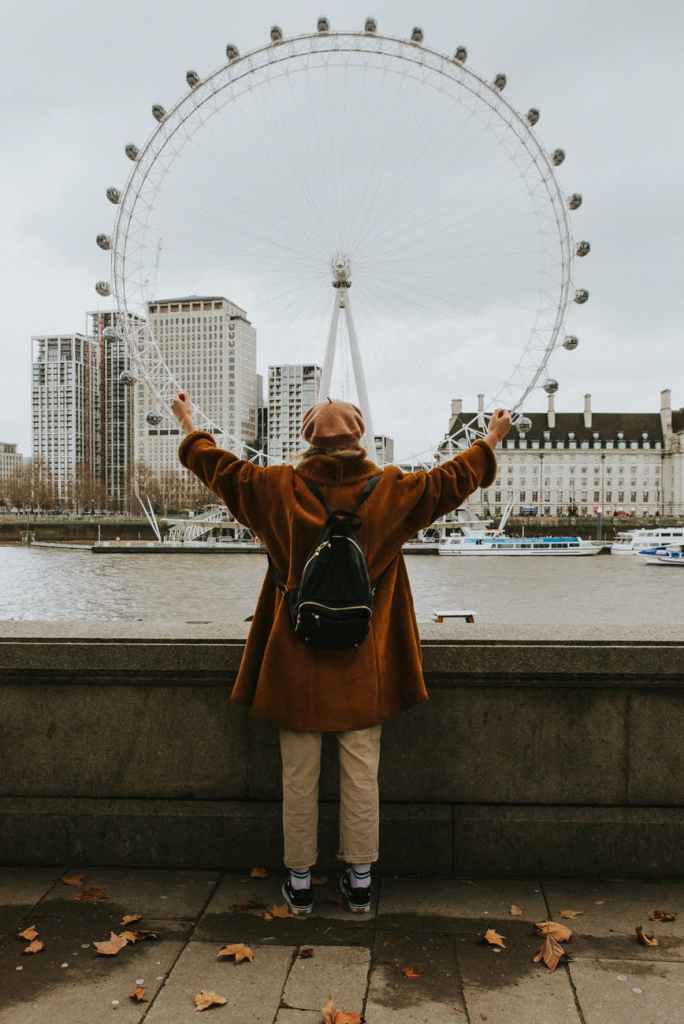
1. Always Keep An Open Mind
If you want an authentic local experience, you need to invite it into your trip. If you are presented with a strange dish, at least try a bite. If an honest person offers to buy you a drink, take them up on it. Chat with your waiters and bar staff, don’t be afraid of small talk, and try to communicate with new people every day. Be respectful and if someone offers you advice or a recommendation, listen earnestly and take them seriously. You never know which conversation will lead you to a truly unique experience.
If you are closed off, either by fixating within your group too much or by being closed minded, locals will not be as willing to show you around. Many of them want to show off their town and be the one to reveal to you their favorite hidden gems, but they are looking for friendly visitors who will appreciate what they have to share. Be available for anything and always keep an inviting attitude and open mind and you will be reciprocated in spades.

2. Plan Not to Plan
So, you’ve finally done it. You’ve pulled the trigger and purchased a flight to Europe. It’s time to plan the perfect vacation. But before you break out the maps and guidebooks to meticulously plan each day of your trip, consider that adhering to these specific plans once you’re actually abroad will likely be very difficult.
Once you’ve had a few days to explore an area, you may find that the plans you’d laid out months prior to arriving aren’t the most efficient, or that your tastes have changed and now you want to check out a different part of town or a separate city entirely. You might meet someone abroad who gives you a killer recommendation for some place you’ve never heard of; they may even end up traveling with you! The bottom line is that it’s impossible to predict the fantastic ways your trip will unfold, and you should give your vacation some room to breathe and form into the spontaneous trip of a lifetime that it can be.
Another piece of advice is to not book too many nights in one place ahead of time. If you intend to see many places, it is wise to anticipate that you will like some more than others. This is perfectly natural, and you won’t know with which places you’ll fall in love and with which one’s may be looking forward to that check out date. Even if you love every place you go (which I hope you do!), some cities are small and can be adequately explored in just a few hours. I recommend leaving your plans flexible enough to allow more time to be spent in the places that demand more of it, while allowing you to leave early from those that you can do without or that are experienced more quickly than anticipated.
It’s generally good practice to set a rough bird’s eye itinerary of places you are interested in checking out, and maybe picking a few things to do in each place, but don’t set this itinerary in stone. Remember that as you go along your trip you can switch things up at any time you’d like. Accept that some, or all, of your plans can change; it’s the nature of travel, embrace it!
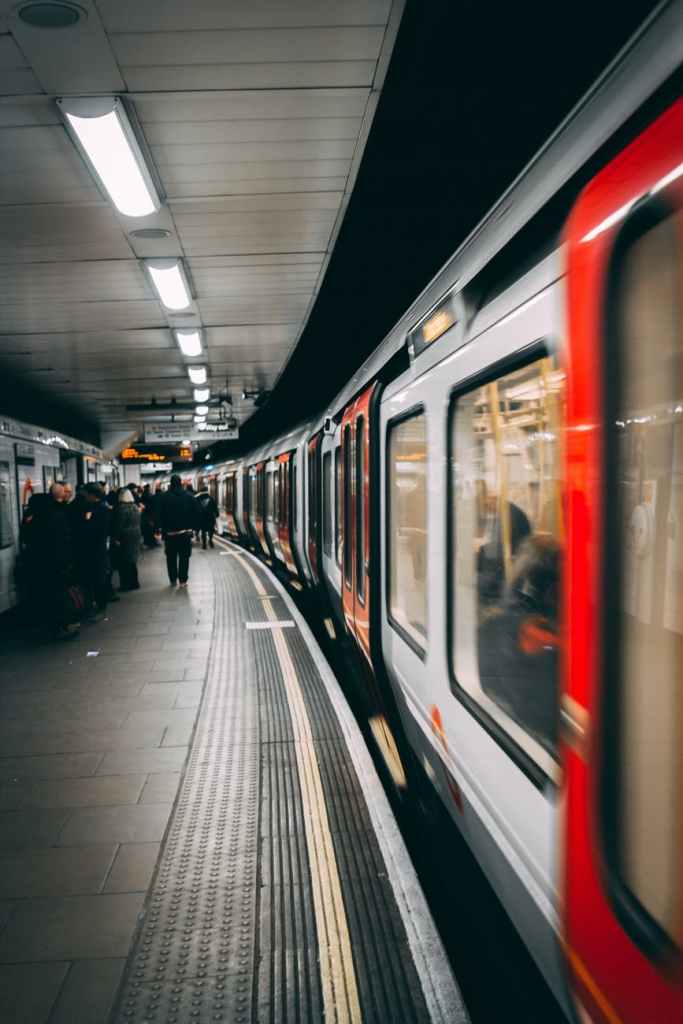
3. Don’t Be in Denial About What You Are: A Tourist!
No matter how authentic you feel your trip is, and no matter how vehemently you may scoff at the hordes of people walking with their heads (and cameras) in the air, if you don’t live in the place you’re visiting you are a tourist. That’s okay, everybody knows, just own it! Often the corny, tourist trap attractions that plague major cities around the world are embarrassing and cringe worthy, but some of them can be a lot of fun! The bottom line is, if something looks interesting to you just do it. Don’t worry about looking like a tourist, you already do.
Capital cities will likely have a greater number of daytime attractions, iconic landmarks, and more prolific nightlife than smaller towns, but don’t overlook the hidden gems scattered throughout your trip. It’s a good idea to plan a healthy balance of large and small cities in your itinerary; just be aware that smaller cities are likely to contain fewer people who are completely fluent in English, they simply don’t need to deal with as many tourists. This isn’t a bad thing, it just makes for a more authentic experience, and English will still be enough to get you by.
It won’t be a secret to anyone that you’re a tourist. The concern is not to be less “touristy”, but rather to just be a respectful visitor. Be polite, smile, and use your manors. Educate yourself on basic customs and social practices, like tipping and acceptable hand gestures. And, of course, it always helps to teach yourself a few key phrases in the local language, like please, thank you, and of course, cheers! Even if you mess up or feel silly, a little bit of effort on your part will go a long way with the locals.

4. Be Aware of How Group Size Will Affect Your Trip
I generally categorize travel into three groups: Traveling alone, traveling with one other person, and traveling with a group of three or more. The dynamics of your trip will vary depending on the number of people partaking.
Traveling alone grants the most freedoms. You can go where you want to go and do what you want to do whenever you’d like. The trade-off for this is you must work harder if you want to do anything social. Want to hit the bars with some friends? Better make them first. But don’t be too afraid, friends are easy to make amongst fellow travelers. Additionally, friendly locals looking to share experiences with visitors they meet are more likely to open up to a solo traveler. Even so, you should be comfortable enough with yourself to spend a few nights alone, particularly if you’re going to smaller cities where there will be fewer people to interact with, and small groups of locals may act a bit closed off to outsiders. Also, be aware that if you’re planning to visit popular party destinations, most people will have already shown up in large groups, which makes it more difficult to make new friends organically.
Traveling with just one other person is a great balance in group size. You are less likely to be lonely or bored and not too many compromises will need to be drawn, especially if the two of you share similar interests. It will also be easier to meet local people and fellow travelers with just two people as opposed to larger groups. Two friendly strangers certainly won’t intimidate others searching for conversation. If you are a couple, just be cognizant that excessive PDA won’t only be potentially rude, it will close you off from the world around you. This is likely the opposite reason you decided to travel! By staying open and aware to your surrounding environment and the people in it, you expose yourself to more potential experiences.
If you’re traveling with a large group of people, every decision is more likely to be a compromise and you are less likely to mingle with the local population on a personal level. It’s just not feasible for friendly locals to make a connection with each of you and showing you around town or inviting you to dinner is likely a logistical impossibility. But don’t get me wrong, traveling with large groups of friends can be tons of fun! Exploring a new country with one another can genuinely bring you and your friends together in a unique and profound way, just understand that with each new addition to the group you add another level of compromise and a little more preparation time each morning. Because of this, I’d recommend saving group trips for party destinations and places that you have no personal agenda with. Let go and be spontaneously wild with your friends somewhere where you don’t care what happens, then save your bucket list destinations for more intimate trips.

5. Set a Proper Pace
The importance of this tip is underrated, and I’ve experienced its effects first-hand. There I sat on a train from Pamplona to Barcelona locked in conversation with a Spanish bartender on his way to work at a chic nightclub. I had just undergone the most extraordinary experience of my life, running with the bulls at the festival of San Fermin, and instead of sharing my experience and getting to know the interesting man who sat beside me, I complained about how tired I was and how I couldn’t wait to go home in a few days. The train stopped in Olite. There was a castle there I wanted to check out. I was too tired. I sat idol as the train kept rolling.
If I had seen this version of me just a week prior, I would have slapped myself. I still look back and want to slap myself. What led me to take that moment for granted? I was at the end of a 5-week journey in which I didn’t stay in one place for more than a couple days. Every other day I spent on a train. The one that took me to Barcelona just a few days prior had been a 15-hour affair. I had an amazing vacation, but I burned myself out. How would that moment on train from Pamplona had been different if I hadn’t been burned out? Would I become friends with the bartender who would have invited me to some drinks at his work? Would I have taken the opportunity to experience a Spanish castle? I certainly would have been less insufferable to listen to.
What I’ve learned from this is the importance in taking a little more time between train rides and allowing myself to really get to know a city before moving on. Not all destinations require a massive amount of time, and some can be passed in a day or two, but certainly not all of them should be passed by in a blur. I’ve learned to plan rest days. Spend a day reading in a park or lounging on the beach to recharge. You can still experience what a city has to offer without walking 10 miles every day in an attempt to see everything at once. When you arrive in a city, do the things you deem essential first so you don’t feel you’re missing out if you decide to take it easy for a day or two later during your stay. If you can save some gas for the end of the journey, you will have a richer and more rewarding experience all the way to the end.
 Wander&Wonder