The Mid-April Sun
warmed my back, urging me to continue with the tasks I had set for myself that afternoon. I stood stooped across the threshold of my SUV’s open hatch, carefully arranging and rearranging the host of baggage that had been collecting there since late morning. Soon the packing puzzle was complete, the plans were arranged, and the vehicle was set to motion; just two and a half pleasant hours of open desert road would lead me from San Diego straight to Joshua Tree National Park.
My best friend Sean rode shotgun, choosing perfect songs while I followed the simple route to the desert. The dense, busy communities of coastal San Diego County began to shrink, spread out, and appear less frequently; before long there were none, and the endless desert spanned our view in every direction. We were near our destination.
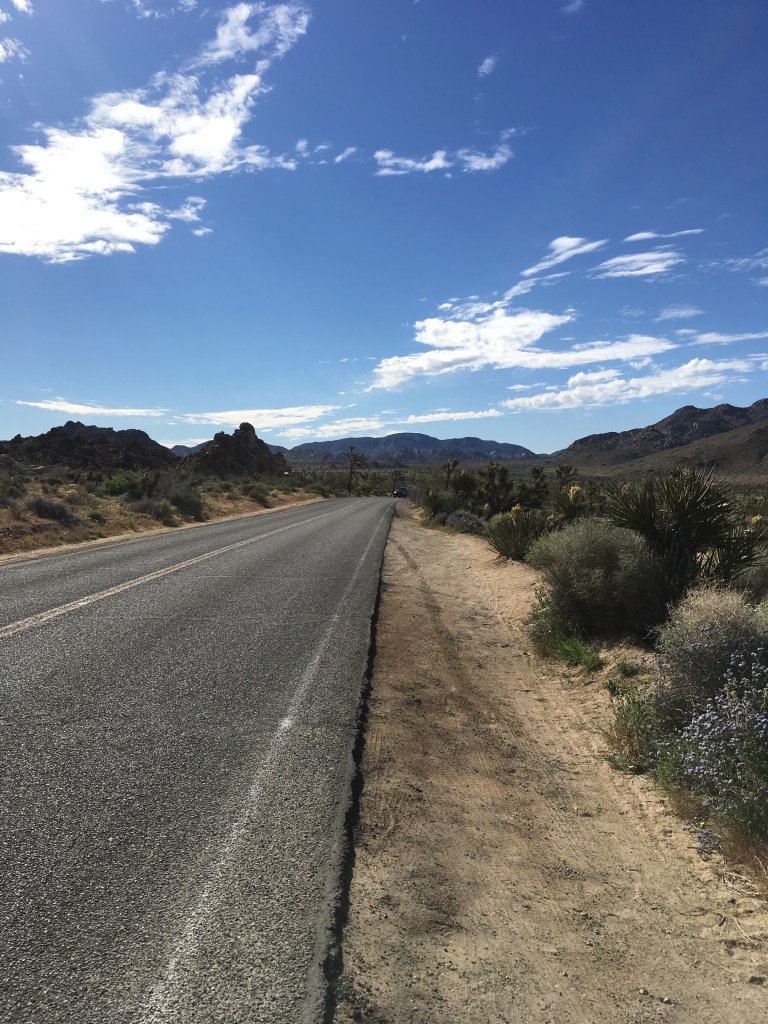
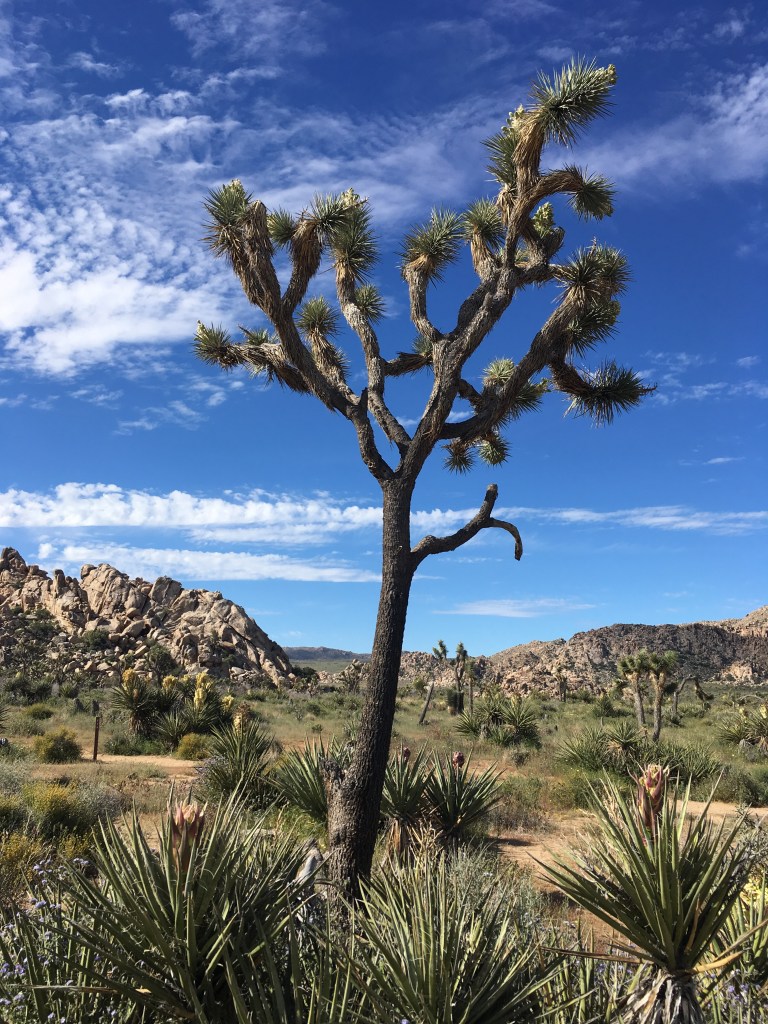
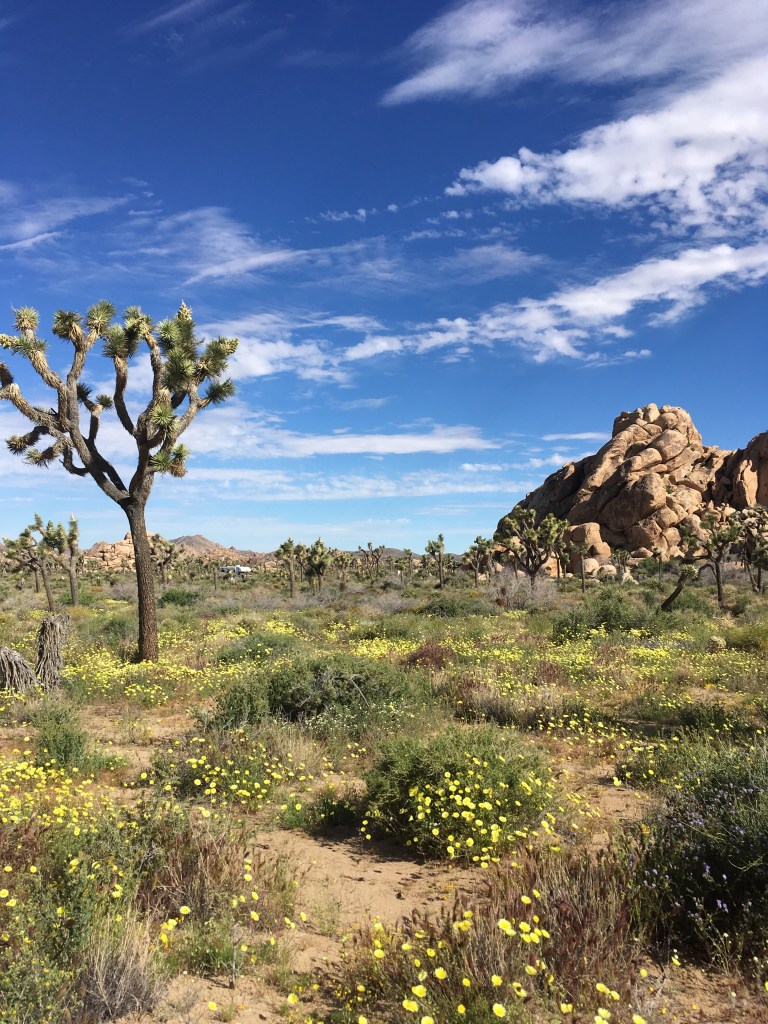
We approached Joshua Tree from its southern entrance ready to encounter fascinating rock formations, curiously abandoned structures of yesteryear, and endless rows of the titular trees; however, 20 minutes after passing the welcome sign, we had observed no noticeable changes to our desert surroundings. Joshua Tree marks the meeting place of two deserts, the Sonoran and Mohave, the latter of which rests at a higher elevation and is the only place in the world where Joshua Trees can grow. This means the park is chock-full of them, but they are all gathered in the northern half of the park. Tip number one, if you happen to approach Joshua Tree National Park from its busier northern entrance, you can pretty much just stay up there, particularly if you are limited for time.
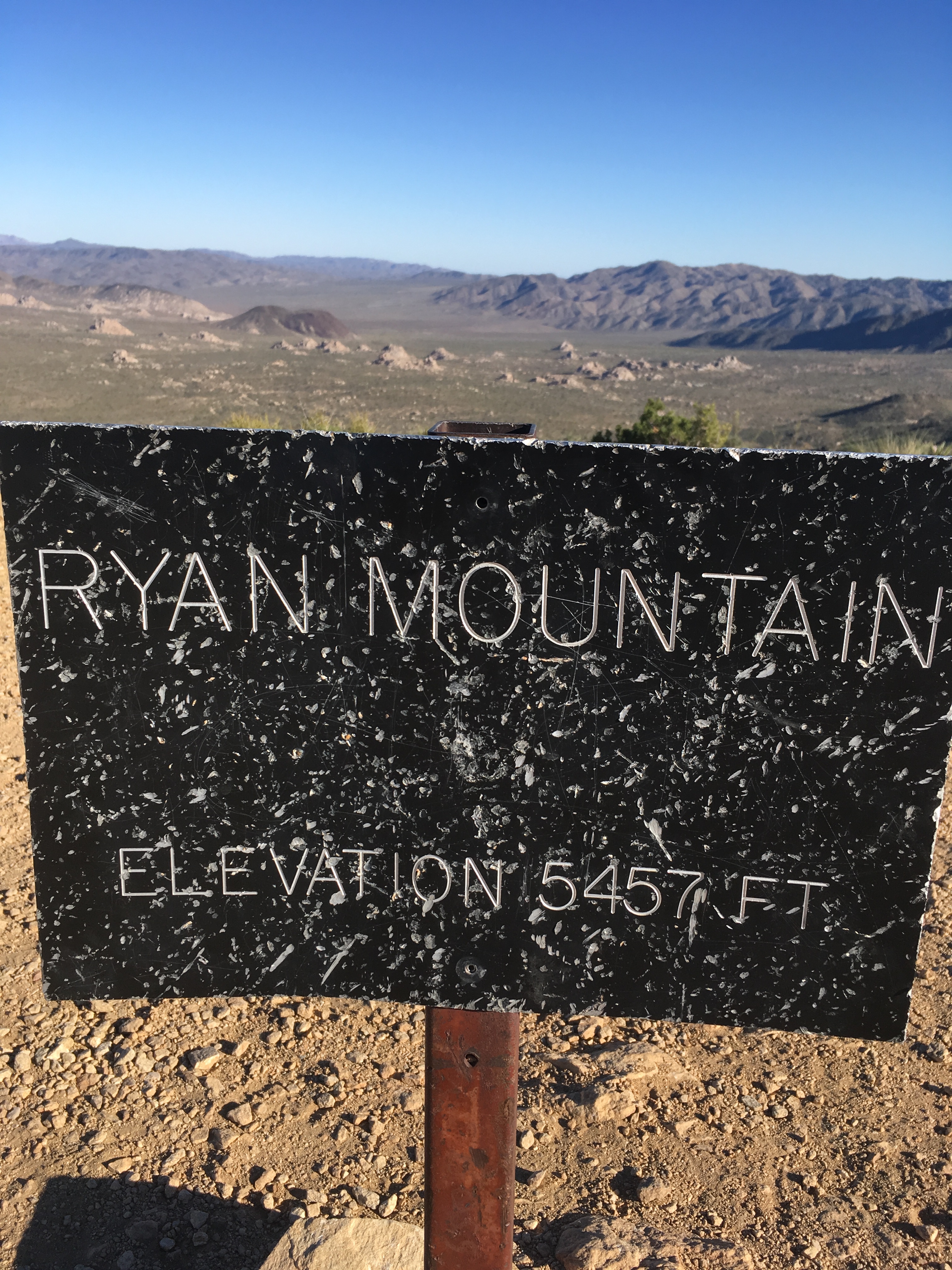
We reached the northern parts of Joshua Tree just before sundown, after having driven through essentially the entire park right of the bat. Not wanting to do nothing on our first day in the park we decided to hike Ryan Mountain, a short 1.5-mile, 1,000-foot ascent with a spectacular view of the park, with more haste than we would have normally liked. We had plans to sleep for free in a stretch of BLM land outside the park and would need some daylight to set up our camp, and we were burning it.
Clearly, we weren’t the only ones with the clever idea to camp for free outside the park. Near endless rows of mobile homes and pickup trucks with accompanying tent circles lined the single dirt path that led us through the BLM land adjoining the park. We chose a rather barren patch in the rear of the “neighborhood” and quickly set up shop. With Sean sleeping on a tarp set out on the sand and myself simply in the back of the car, our camp took all of 5 minutes to prepare. This freed the rest of our limited daylight to gather firewood from the sparse brush and cook a simple dinner before cracking beers for sunset and passing the night with stories and guitar playing.
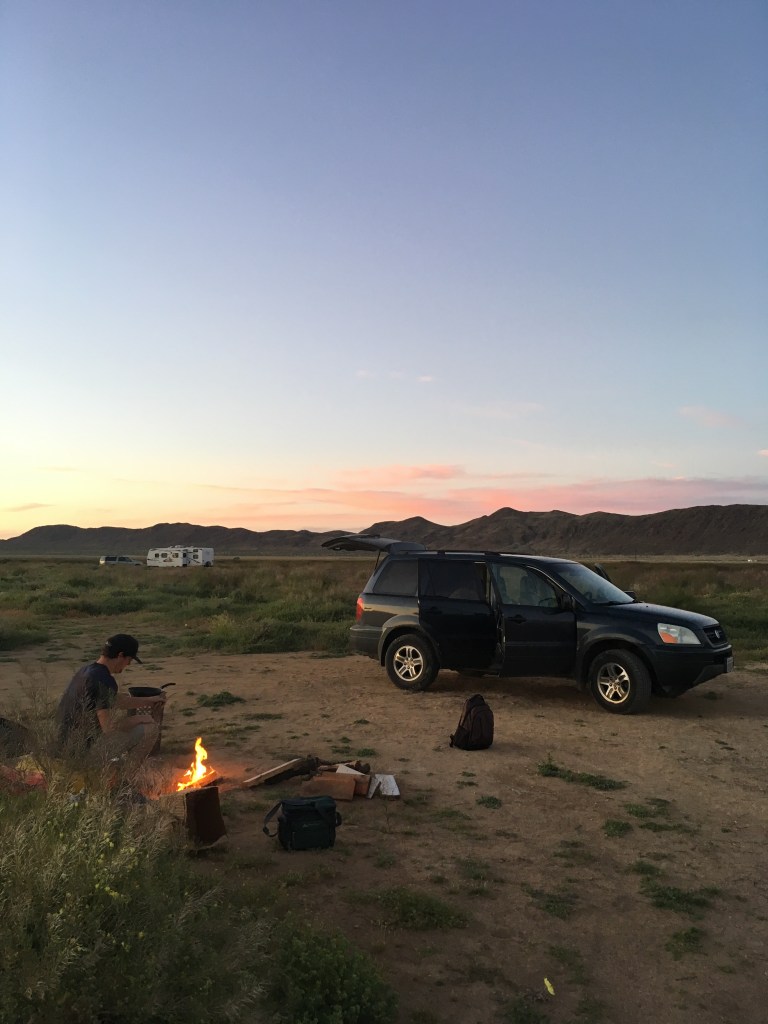
Rising with the sun, we had time to prepare a quick breakfast before being amongst the first to enter the park. Having traversed its entirety the day prior, we knew the park’s limited scope and what things we might be interested in exploring. Joshua Tree’s attractions mostly consist of relatively short, simple hikes as well as interesting rock formations and massive collections of desert flora, both of which are located directly off the main (only) road through the park and are mostly constrained to the north.
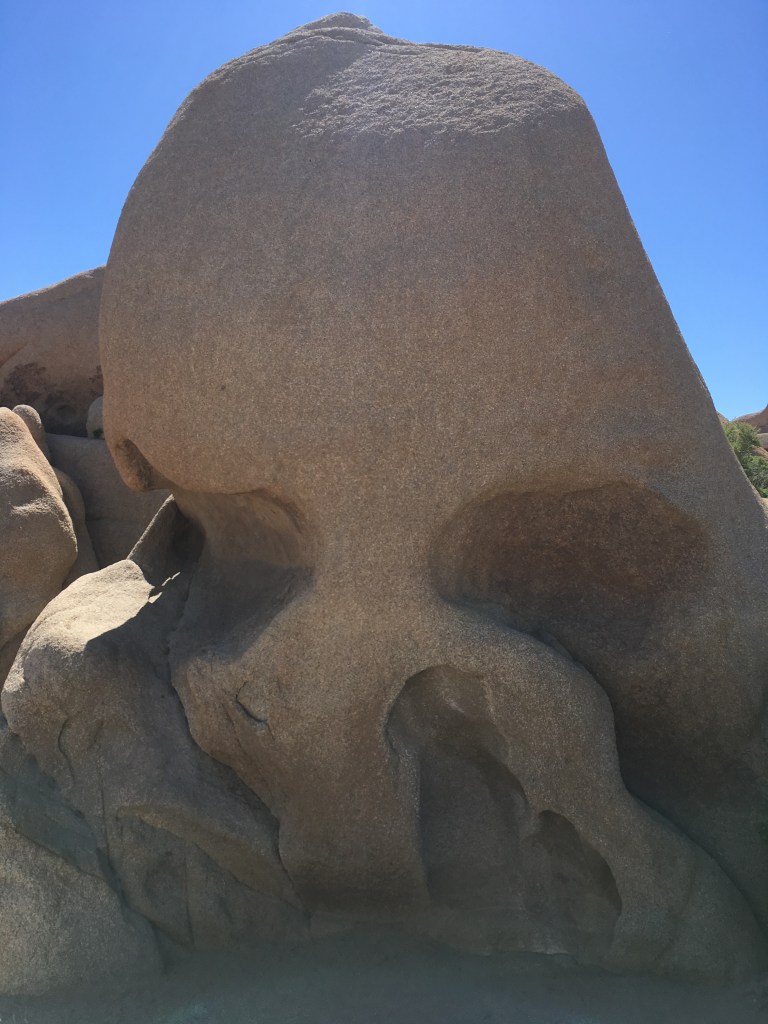
Skull Rock, Jumbo Rocks Campground, Cap Rock, and Old Woman Rock, just to name a few, are some of the rock formations worth stopping for as you drive along; I’ll let you guess what each one looks like. The vista at Keys View sits over 5,000 above sea level and offers arguably the best views of the park; this attraction can also be reached by driving. Another popular point of interest, Barker Dam, can be reached by a short hike less than one mile in each direction. California’s heavy draught season, however, often renders this attraction dry. To the south Joshua Tree National Park contains no Joshua trees and boasts only two minor attractions: Arch Rock and the Cholla Cactus Gardens. Unless you are leaving through the park’s southern entrance, or you have a lot of time to spend at Joshua Tree, I recommend spending your time to the north.
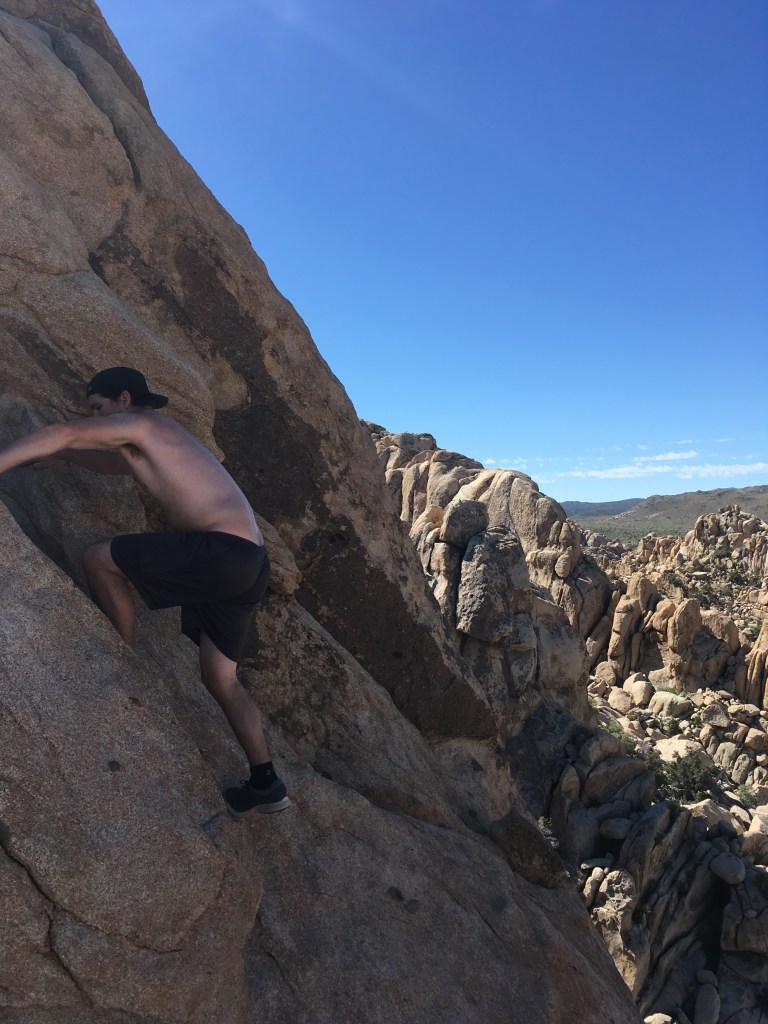
In my opinion, the true fun of Joshua Tree National Park lies off the road, and off the map. Joshua Tree is a national hotspot for rock climbing, and even if you won’t be donning a harness adorned with a collection of dangling carabiners, you can tap into your outdoorsy adventurous side by “rock scrambling.” Many of the unique granite formations that make Joshua Tree such a popular rock climbing destination are low and rounded, building to great heights that can be reached with a bit of athleticism and no gear; if the thought of climbing boulders without gear worries you, just scramble up the easy, staircase-like boulders as high as you are comfortable to enjoy a pleasant view, and then just turn around if/when you get nervous. Remember, you’re here for fun!
Perhaps better than rock scrambling is the collection of abandoned 19th century homesteads and mining outfits that dot Joshua Tree. These points of interest are not officially recognized by the park; you won’t find them listed in your brochure and there are no maintained paths leading to their resting places. The fun of these attractions lies in the adventure that awaits you in discovering their hidden locations. While their whereabouts can be revealed by a bit of Google search persistence, you should still be somewhat comfortable navigating through unmarked desert terrain and pack more water than you think you’ll need. Have fun exploring, but do your homework, show up prepared, and be safe!
So, if Joshua Tree National Park really consists of just a handful of roadside attractions concentrated in roughly half the park, why does it have such a massive draw? Well, to be honest I’m not sure. Don’t get me wrong, Joshua Tree is beautiful, it has a unique ecosystem that can’t be found anywhere else in the world, and it is a fun and interesting destination. But when you compare Joshua Tree to the other National Parks the United States has to offer, it just plain falls short in my opinion. Its desert landscape means there aren’t many challenging hikes, the wildlife activity is comparatively minimal, and while desert terrain is often gorgeous, it is not particularly variable. Personally, I feel that if you live nearby, or your vacation will place you in the vicinity of Joshua Tree National Park anyway, it is worth a visit of 1-2 days. I do not recommend traveling hundreds of miles to visit the park or planning your vacation around Joshua Tree alone. In my opinion, it will serve as a point of interest and not the highlight of your trip, but to each their own! That being said, if you do find yourself in the area, Joshua Tree is surrounded by a variety of desert oddities that you may want to also consider checking out.
The Salton Sea and Bombay Beach: Paradise Lost
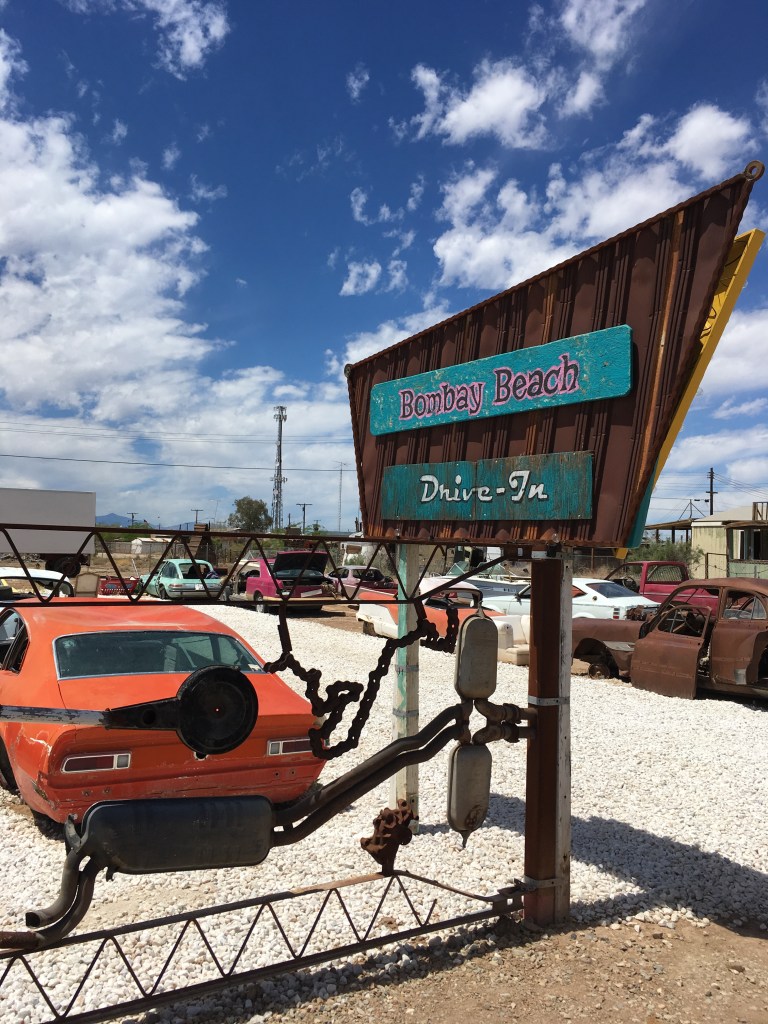
50 miles south of Joshua Tree lies Bombay Beach, a bonafide shanty town situated on the haggard coastline of the Salton Sea, one of the United States’ strangest geographic features. Mistakenly birthed when unexpected flooding in 1905 overwhelmed engineered canals designed to bring water to Los Angeles, the resulting torrents rushed south to fill the Salton Trough, a naturally dry desert lowland in southeast California, with the unstoppable volume of the Colorado River. The Salton Trough became the Salton Sea and was unnaturally filled with such ferocity that an 80-foot waterfall was formed by the sea’s headwaters. The subsequent and unintentional formation of a massive inland sea in the eastern Mohave Desert was to follow before the flooding could be stopped. Ever the opportunists, civil developers constructed promising resort towns along the budding coastline of this massive, nascent body of water.
Developments such as Salton City, Desert Shores, and Bombay Beach quickly became mainstay attractions for vacationers in the 1950’s; however, just as soon as the Salton Sea was formed, it would also deteriorate. Constant streams of agricultural runoff from both the U.S. and Mexico, in conjunction with uncontrollable swings of increased salinity and harmful algal blooms, led to seasonal fish kills and outbreaks of botulism amongst the local birds. The lack of an outlet in this desert basin would lead to the consistent accumulation of these ailments and the swift and inevitable degradation of this once promising paradise. Today the resort towns established along the Salton Sea exist as strange shadows of their former selves. Bombay Beach, a shanty town of less than 300 people, rife with graffiti adorned abandoned buildings and yards of rusted classic cars, still boasts faded, torn billboards which advertise pristine coastlines and the promise of an ideal waterski-filled weekend for the whole family.
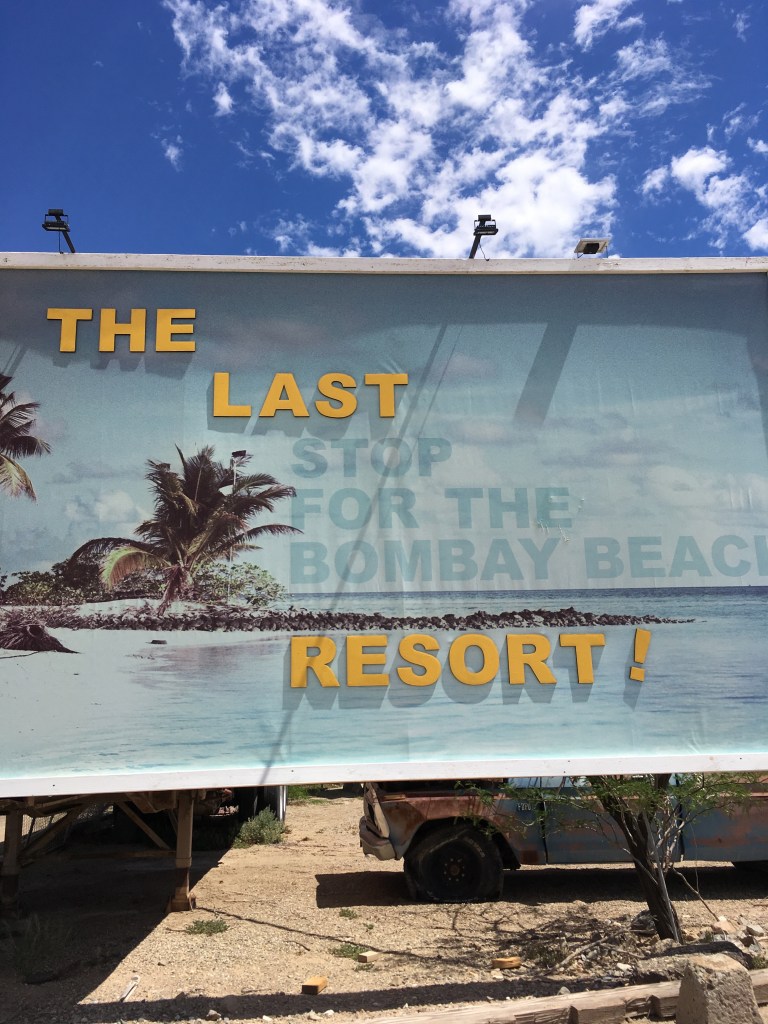
Salton City has managed to retain a population significant enough to warrant a recognized high school, yet is host to more abandoned concrete shells than actual homes, and adjoins beaches made of fish bones rather than sand. I know, I’m really talking this place up. Please don’t go out of your way, but if your travels take you south from Joshua Tree, the strange “could have been” oddity of the Salton Sea is worth at least a gas stop and opportune ogling before continuing onward.
Salvation Mountain: One Man’s Vision
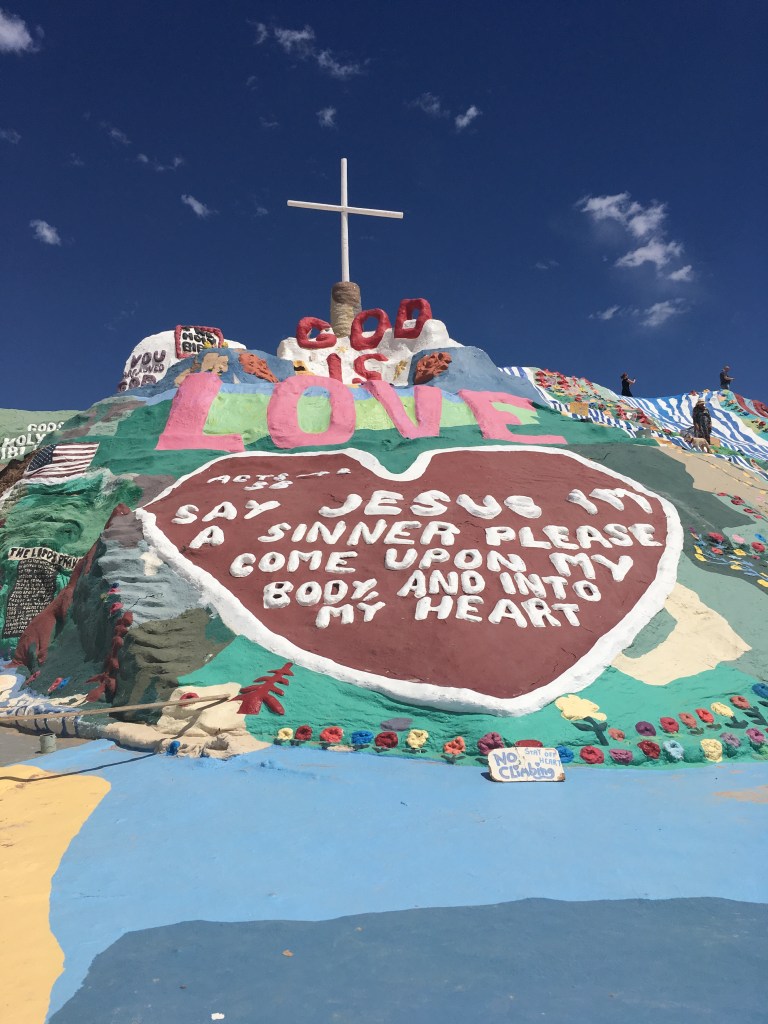
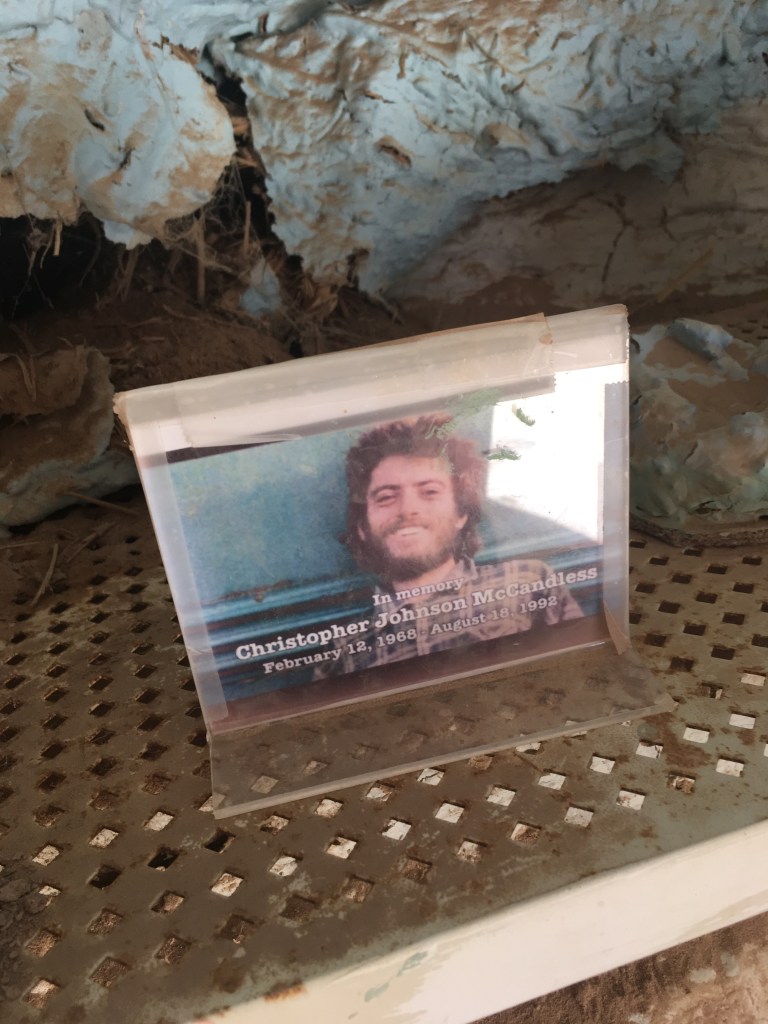
Salvation Mountain, an immaculately adorned hillside tribute to god, lies just 30 minutes south of Bombay Beach; however, one doesn’t need to be religious to appreciate the meticulous life-long work of a single man proudly and strangely displayed in the middle of nowhere. Closer inspection reveals what initially appears as a colorfully painted hillside to instead be a miniature city, complete with towering arcuate entryways and labyrinthine chambers all constructed by hand over the course of nearly 30 years by local resident Leonard Knight. This wholly unique desert oddity required more than 500,000 gallons of latex paint and was featured in the popular film “Into the Wild.” In fact, observant visitors to Salvation Mountain can find a small monument to Christopher McCandless, the real-life pioneer for whom the film is based on, hidden within the confines of Salvation Mountain.
Other popular desert destinations nearby Joshua Tree such as Twentynine Palms, Borrego Springs, and Ocotillo Wells offer opportunities to view record setting wildflower blooms, experience deep canyon hikes, relax in pristine oases, discover hidden waterfalls, and spike your adrenaline in some of the country’s most popular off-roading terrain; and while, in my opinion, Joshua Tree alone doesn’t contain enough variety to sustain more than a weekend of activity, the collective points of interest found throughout the deserts of southeastern California can provide enough adventure and entertainment for a satisfying, full-length vacation.
 Wander&Wonder