Proper Packing
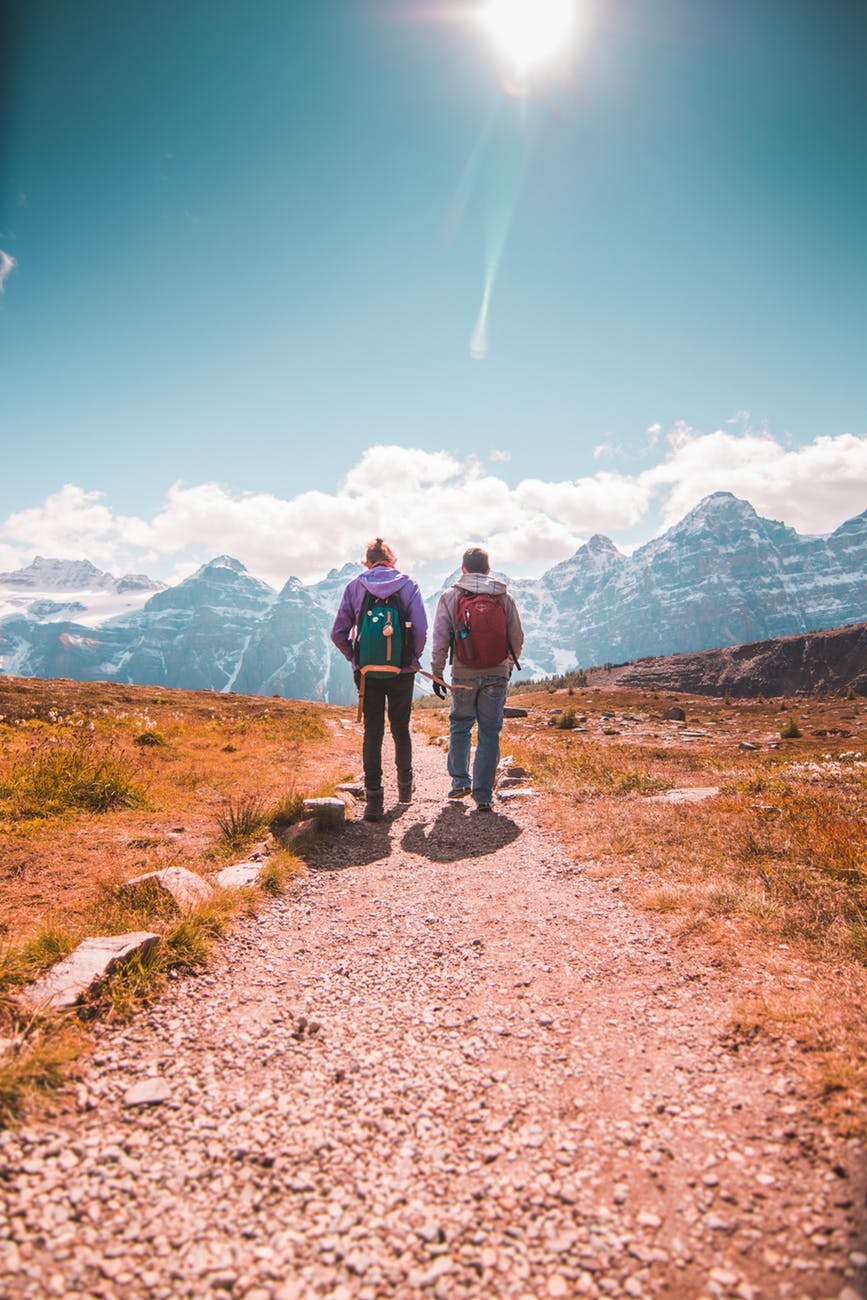
is one of the most important things within your control that can really make or break a long term, low budget trip. After the second week of unpacking and repacking a host of suitcases and roller bags, you’re going to wish you had just brought a single pack. I try and pack as little as possible for each trip I go on and every time I still try and think of ways that I can bring less next time. Here are some important things I’ve picked up.
Your Clothes
Tops
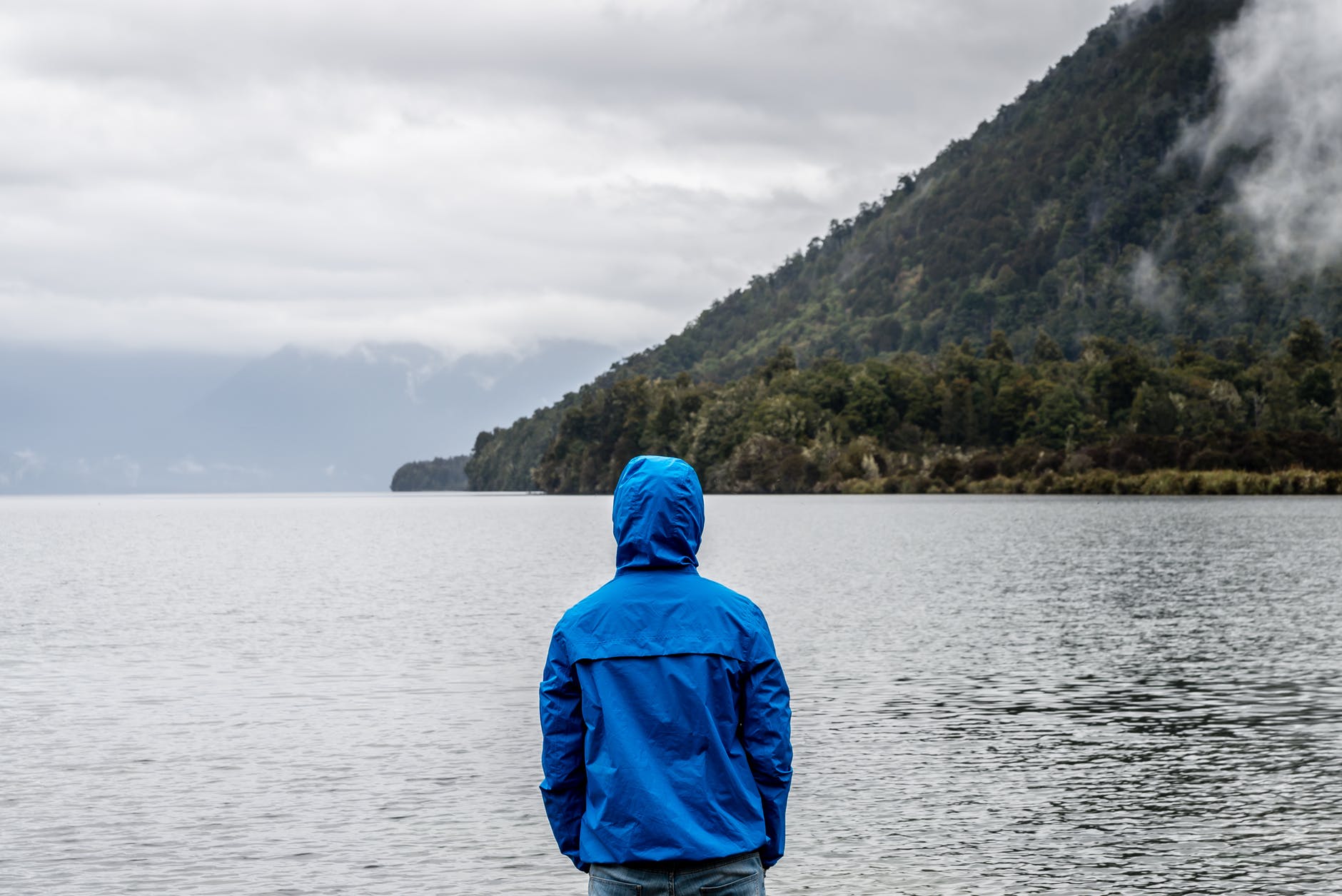
I recommend bringing one of each “shirt type.” So, one tee, one long sleeve, one sleeveless, and one collared. This leaves you relatively prepared for anything that might come up during your trip. Hot days, chilly nights, and any formal events you may end up attending; even if you don’t get fancy, there’s nothing wrong with traveling in style one day of the week. I also recommend bringing a lightweight waterproof jacket, like a windbreaker. This packs easily and if your trip is long enough, it’s not a matter of if it will rain, but when it will rain. After you get these things together, think about what sort of climate you will spend most of your trip in and then pack one more of that shirt type.
Bottoms
Pack a pair of jeans, a pair of regular shorts, and a pair of gym shorts. Jeans can be worn literally anywhere and with anything, they are the most versatile pair of pants. The regular shorts are obviously for warmer days, but the gym shorts offer both use as casual wear around the hostel/hotel room and something to swim in if the opportunity arises.
Shoes
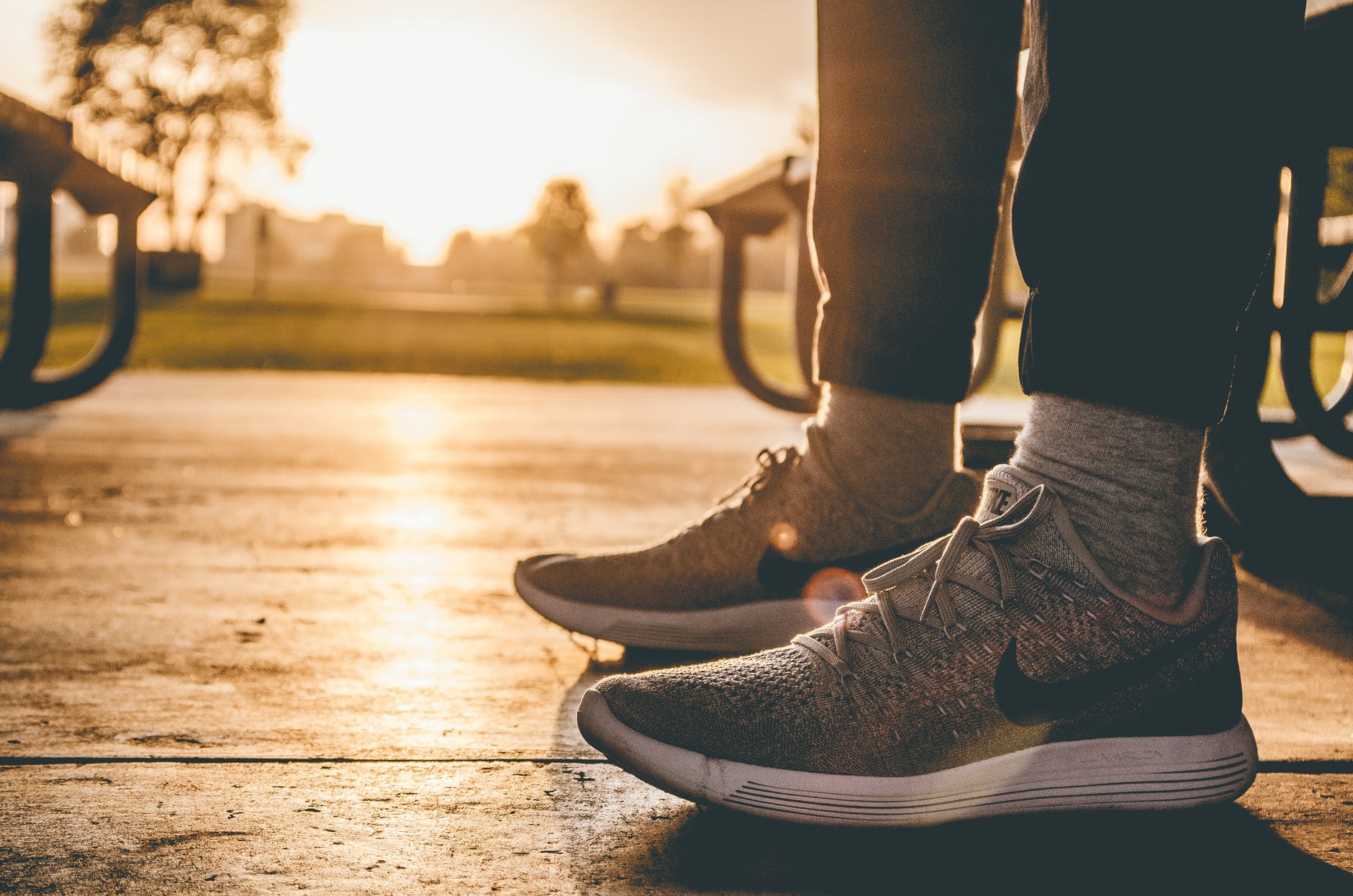
I recommend traveling in a pair of cross trainers. They are light, comfortable, and versatile. Versatility is the name of the game in light packing. The more uses an item offers, the more space it saves and the more valuable it is. The right pair of sneakers can look good enough to hit the town in, but can also be used for hiking, running, or any other active outings you may find yourself in. Trust me on this one, I wore casual flats on my first long term trip and halfway through the bottoms had holes the size of silver dollars and my feet were blistered so badly I thought I would have to put a pause on the adventure for a few days. Depending on the length of your trip, you may even go through several pairs of shoes! Also bring a pair of flip flops, they pack easily because they are flat and even if you’re going somewhere cold, you’ll want them for the hostel showers.
Undies
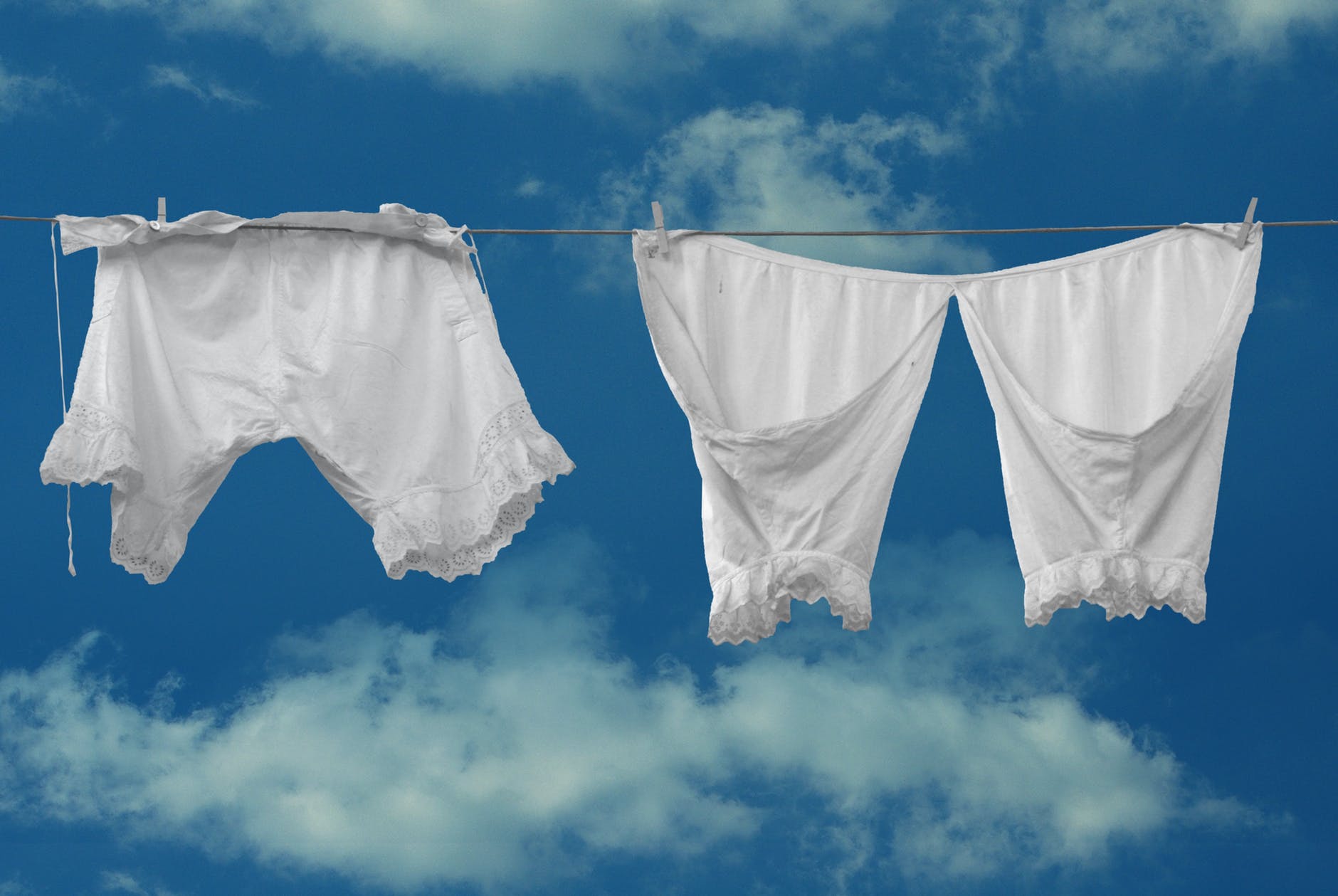
Bring more underwear than you have outfits. I’ll say it again. Bring more underwear than you have outfits! If you’ve packed every item I’ve listed so far, you’ll have 5 outfits. I know there’s 7 days in the week, but unless you sweat completely through each of your shirts every day or get completely covered in mud, you can wear them more than once. You might not want to do this with your underwear. They can be rolled into small balls to pack easily; bring a few extra pairs.
That being said, you don’t necessarily need a pair of socks for every outfit. Unless they get wet, socks can be re-worn quite often. Additionally, if you’ll be spending time in warm climates, some days will be spent entirely in your flip flops.
I’ve also found it useful to devise a system of keeping your clean clothes separate from your dirty ones. My first trip I simply kept dirty clothes at the bottom of my pack in a plastic bag, efficiently rolled to save space of course. Now I have a bag with a built in divider that does this for me. Another method I’ve seen is to bring all underwear of the same color, except for one. Save the mismatched pair for last and use it as a divider to keep clean pairs on one side and dirty on the other. Use your imagination!
Additional Notes on Apparel
It is most useful to pack lightweight, quick-dry clothing. Moisture wicking sporty materials are good because they are comfortable, don’t stay wet for long, and won’t wrinkle as easily in your bag. A good example would be bringing a golf polo instead of a cotton button down as your collared shirt.
Don’t bring specific outfits. To make your life simple, stick to one matching scheme, i.e. dark tops and light bottoms or light tops and dark bottoms, that way each item can be worn with everything else. Of course, jeans can be worn with anything.
Learn to “ranger roll.” Fold your clothes in half the long way two times and then roll them into a tight wad. They will take up a fraction of the space that they would take regularly folded. Any wrinkles they pick up on the way will be naturally ironed out by your body heat as you wear them, but if you’re particularly concerned about wrinkled clothing, you can fold them retail style and then in half twice to take up less space wile maintaining smoother surfaces.
Hats are generally unnecessary. Their odd shape makes them difficult to pack and likely to be crushed in your pack. Unless you know you’ll need one for your adventure or you wear one every day and absolutely can’t live without it, leave your hats at home.
Finally, you’ll likely want a pair of sunglasses and a wristwatch. Both small, both useful.
Your Bag
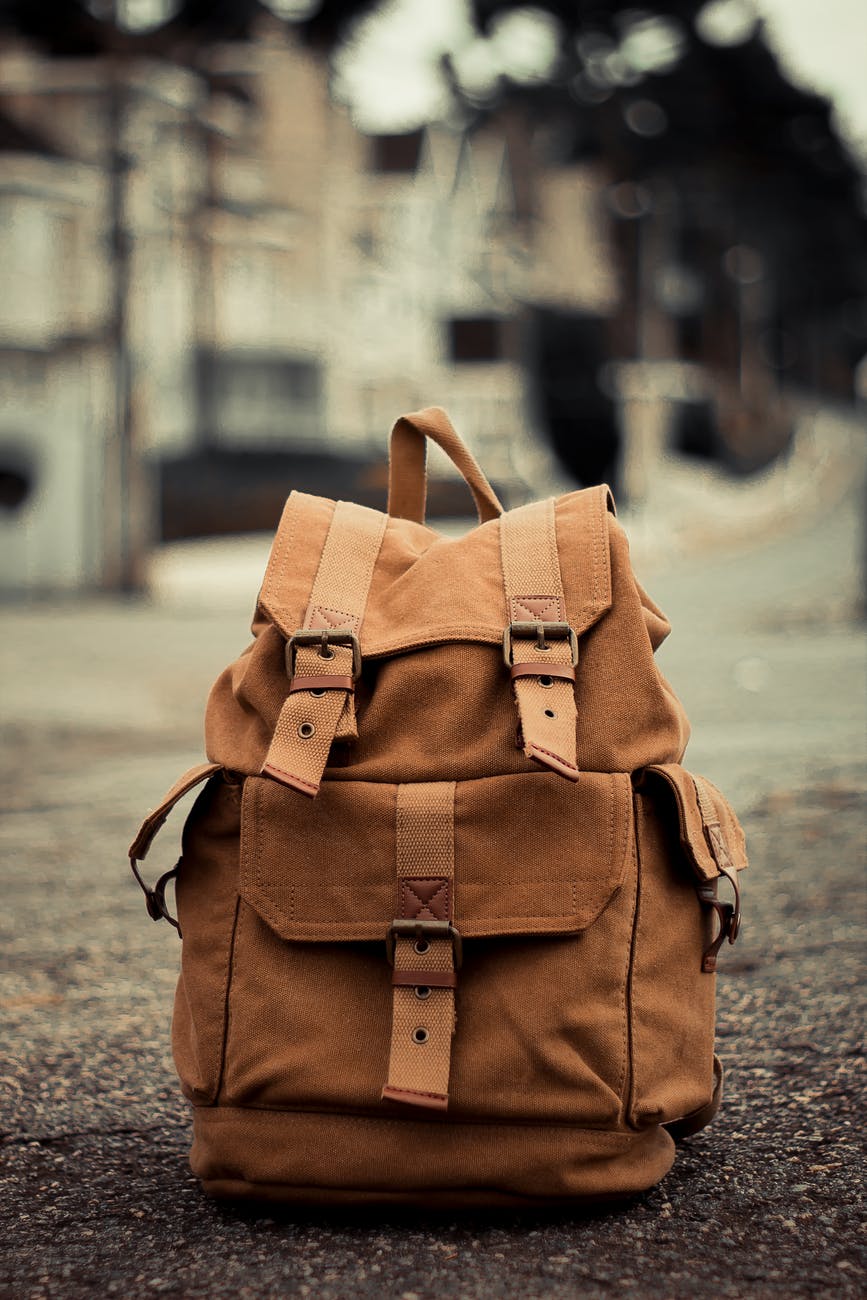
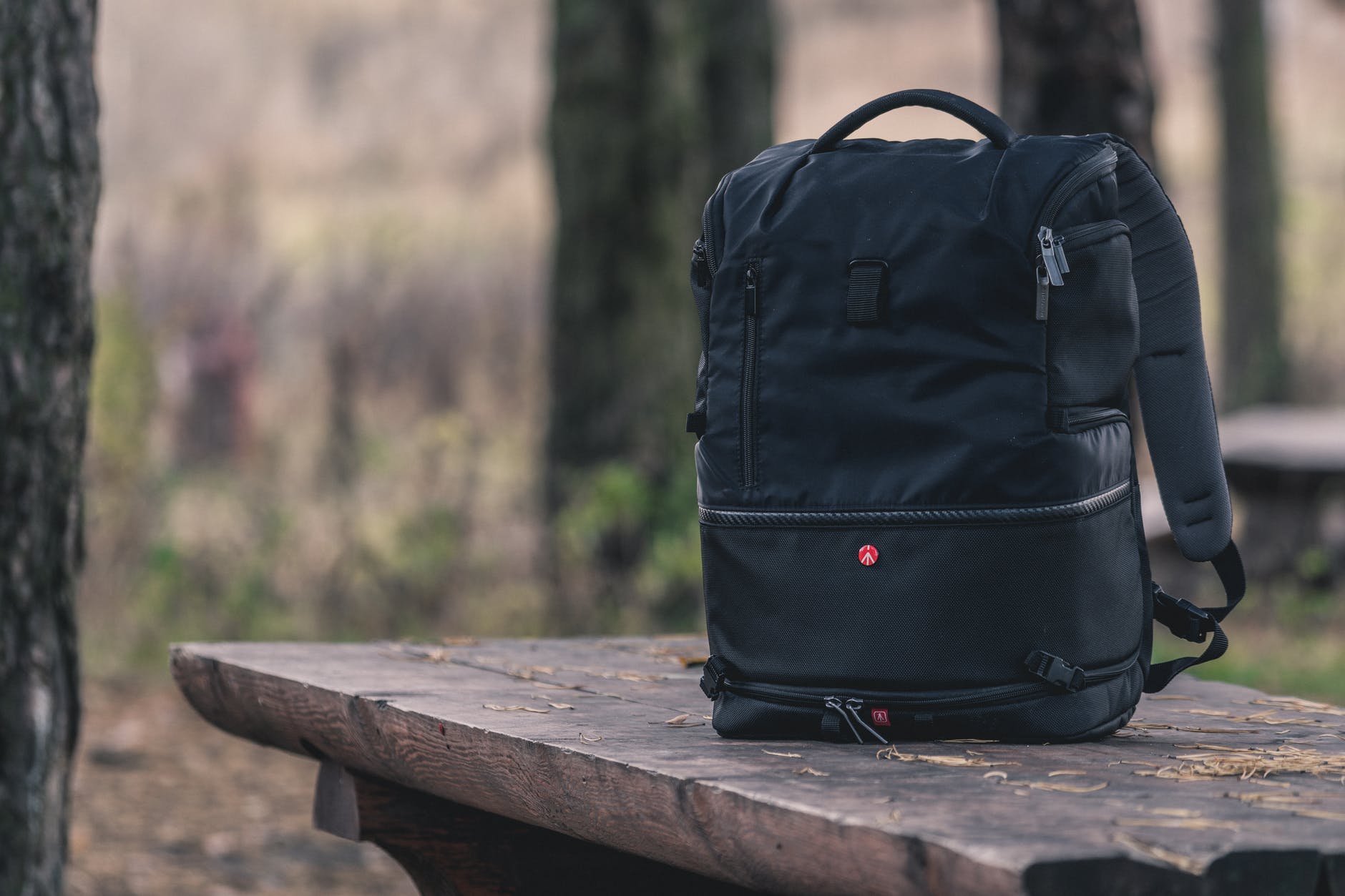
First and foremost, bring one bag. Unless you absolutely, positively can not avoid doing otherwise, I really recommend just bringing one bag. You’ll appreciate this advice the first time you find yourself running to catch a train/plane/boat/zeppelin. Secondly, don’t fill this bag all the way. You’re bound to pick up a few things along your travels and you won’t want to carry them with your hands the whole time. The most useful kind of bag is one that leaves your hands free to fumble with your train tickets, passport, hold a beer, etc. In my opinion backpacks are the way to go, followed by something with a shoulder strap. Roller bags are likely to just end up being a pain in the ass. When considering what kind of bag to bring, ask yourself: “could I run the 100 meter dash with this?”
I recommend bringing a day pack as well, something to take with you into town, carry a change of clothes to the beach, or to take hiking. The best day packs can be folded down to very small sizes and stowed away in your main pack. As I mentioned above, avoid bringing two separate bags.
Your Valuables
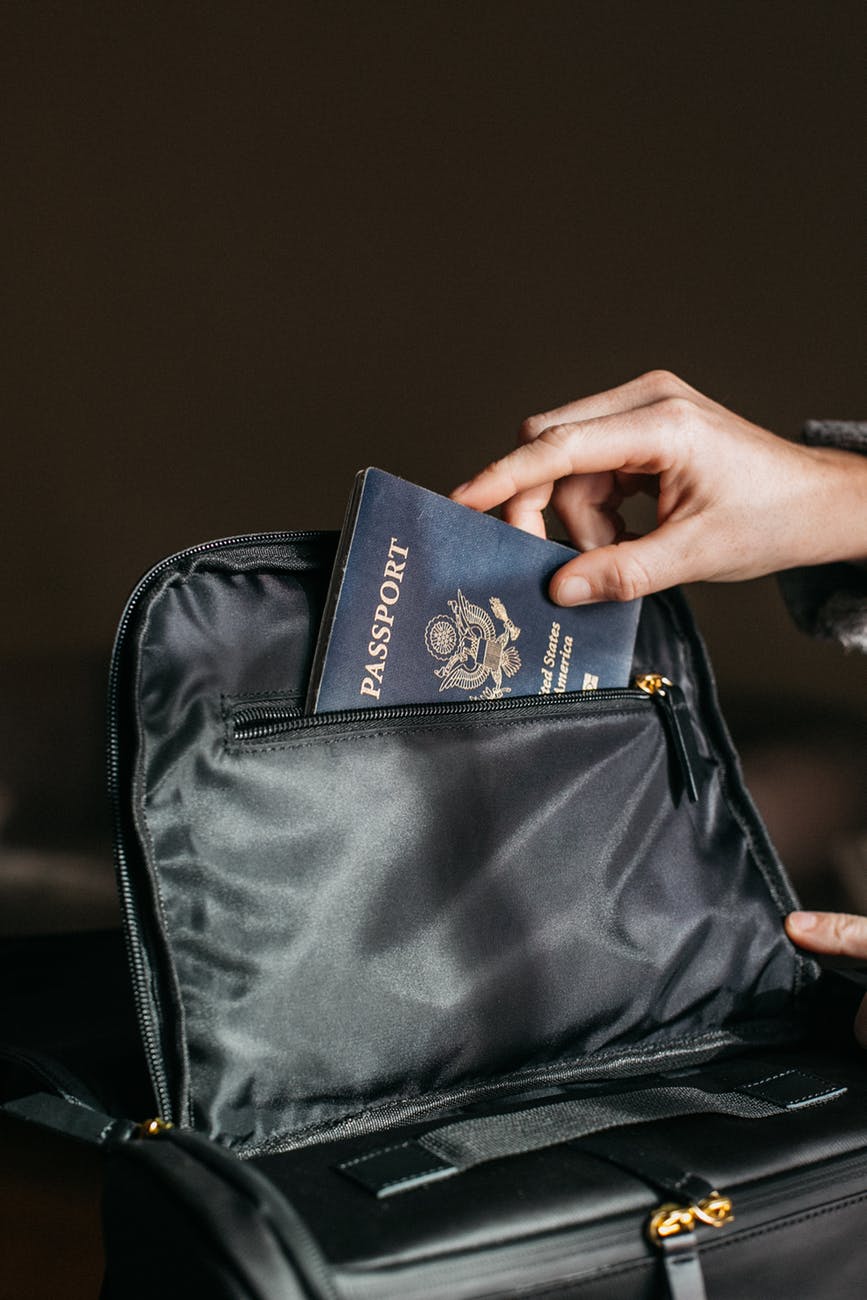
Treat your passport as an extension of your body. Don’t keep it in your room when you leave for the day and don’t pack it in anything that will be out of your reach, like checked luggage. In popular tourist cities, pick-pocketing can be a serious concern. I highly recommend a “hidden pocket” to keep your passport, credit cards, and extra cash in. This is a small pouch with a belt loop and zipper pockets that holds your valuables. You can then loop the pouch onto your belt and flip it inside your pants, making it impossible to be pick-pocketed. Hopefully you won’t need it, but the most valuable thing the hidden pocket offers is peace of mind.
Do not put all your eggs in one basket. This is very important. Don’t withdraw all your cash to travel with, most banks will allow you to withdraw cash from foreign ATMs and use your credit card abroad if you give them notice before you leave. I find the best system is to withdraw a couple hundred dollars at a time, keeping 50 or so in my wallet and the remaining money in my hidden pocket. Also, bring two cards and keep them separate from one another, and always have enough in your account to buy a flight home if you need to.
Miscellaneous Items
Bring limited toiletries; a toothbrush, toothpaste, and deodorant is all you may need starting out. As you travel, you will discover things you brought and didn’t need and things you didn’t bring but could use. Most of these things can be purchased just about anywhere.
Don’t fret over whether or not to bring your phone charger, you will likely need to buy an adapter to fit foreign outlets anyway.
Unless you actually plan on camping or sleeping outside, don’t worry about bringing a sleeping bag. I brought mine on a 5-week trip and didn’t use it once. And I didn’t even have access to it the one time I could have used it!
Unless you need it to work remotely, leave your laptop at home. You can get directions, buy tickets, and be entertained by your phone. Besides, the point of a long-term vacation abroad isn’t about browsing the web, is it?
Bring a small journal, something just a few inches wide that will pack easily. It can be rewarding to record your thoughts and experiences as they occur and the journal can also be used to communicate with locals in a pinch!
Bring a reusable container for water. You don’t need anything over-sized, but you will likely want something, as free water won’t always be available. In the states you are almost guaranteed to find a drinking fountain next to any public restroom, but this is often not the case abroad, even in the first world. The drinking fountain at my gate in LAX was the last one I saw on my trip to Europe.
Finally,
always remember the only thing you truly NEED is your passport and enough money to get home; everything else can be easily replaced. Don’t stress, you’re on vacation after all!
 Wander&Wonder